Zouheir Mokallalati, chef: "Blend 100 ml water, 10 g flour, 40 ml oil and 10 g carrot purée; pan-cook until crisp"
A measured water, flour and oil base, blended with carrot purée and cooked in a hot pan, gives you a crisp garnish that can be recoloured for other plates.
 Por Redacción HolyCook · October 14, 2026 · Zouheir Mokallalati, chef (@chef_zouheir) en Instagram
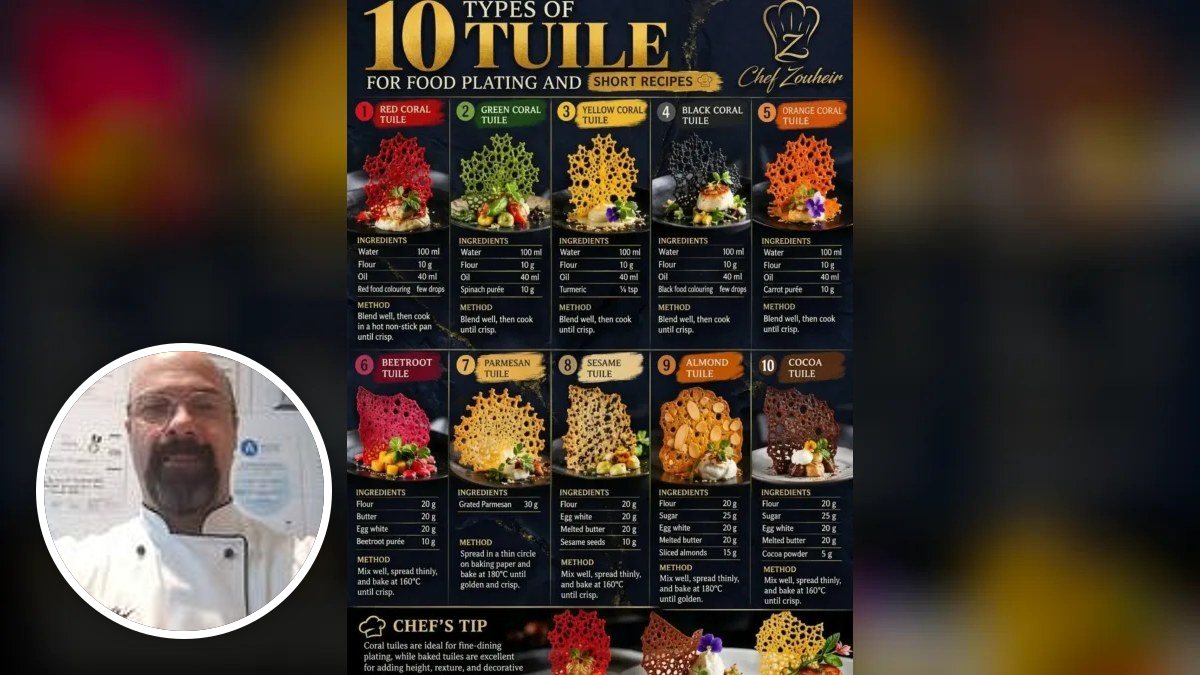
Zouheir Mokallalati, a chef who shares his recipes on Instagram, prepares his orange coral tuile from 100 ml water, 10 g flour, 40 ml oil and 10 g carrot purée. The name refers to its carrot-derived orange colour, not to its flavour: there is no orange fruit or juice in the mixture. It is one of the most imported recipes on HolyCook, and its appeal lies in a formula you can remember and reuse when a plate needs a crisp decorative finish.
For you, the useful part is not just making one garnish, but learning a measured base that can take on different colours. Carrot already works in baking too, as in this quick carrot cake, but here Zouheir uses its purée as the final addition to a very different, pan-cooked preparation.
Zouheir’s 100:10:40 coral-tuile method
Zouheir’s gesture is simple and ordered: blend the water, flour, oil and carrot purée thoroughly, then cook the mixture in a hot non-stick pan until crisp. That is the complete instruction, so do not rely on a fixed cooking time or a numbered pan temperature. Instead, keep cooking until the tuile is crisp, as Zouheir directs. A non-stick surface is part of his method, making it the pan to use for this particular coral version.
Once you have measured the ingredients, you have a compact technique for finishing a dish rather than another component that needs elaborate preparation. The result is a crisp orange-coloured coral garnish for plating, with the quantities and cooking endpoint clearly set out.
Keep the base and change the final addition
Zouheir keeps the same 100 ml water, 10 g flour and 40 ml oil base across his five coral tuiles. To make the technique your own, change only the final addition: use 10 g spinach purée for green, 10 g carrot purée for orange, or a quarter teaspoon of turmeric for yellow. For red and black versions, he uses a few drops of the respective food colouring.
This is the practical transfer: keep the three-part base intact, select one of Zouheir’s stated additions and blend well before pan-cooking until crisp. If you want another way to use carrot in a sweet preparation, this carrot and walnut cake takes it in a completely different direction.
When to pan-cook and when to bake a tuile
Zouheir separates these coral tuiles from conventional baked tuiles. The coral mixture goes into a hot non-stick pan, while baked versions are mixed, spread thinly and cooked in the oven at 160 to 180°C. His beetroot, sesame and cocoa tuiles are baked at 160°C; Parmesan and almond versions go at 180°C.
The distinction helps you choose the finish for a plate. Zouheir recommends coral tuiles for fine-dining presentation, while baked tuiles add height, texture and decorative detail. Use the pan formula when you want a coral garnish; use a thin baked tuile when height and texture are the priority.
Recetas y noticias relacionadas
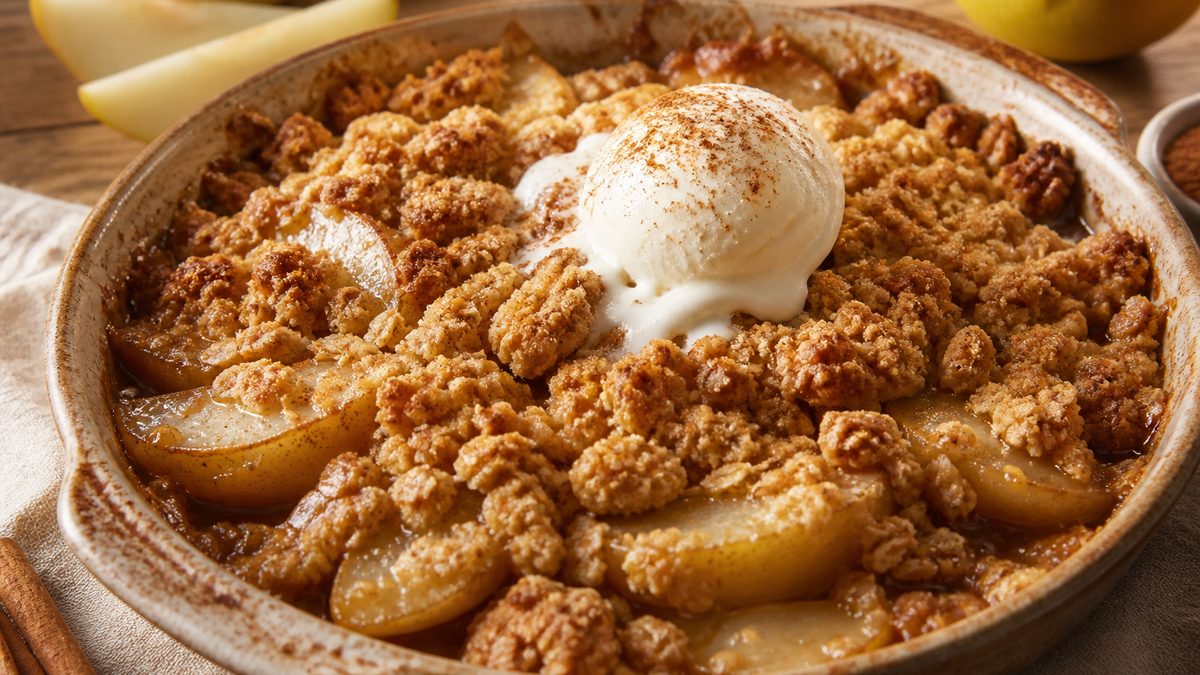 @hogarbienestar8, creador: "Hornea el crumble a 180 °C durante 35-40 minutos, hasta dorar"hogar&bienestar
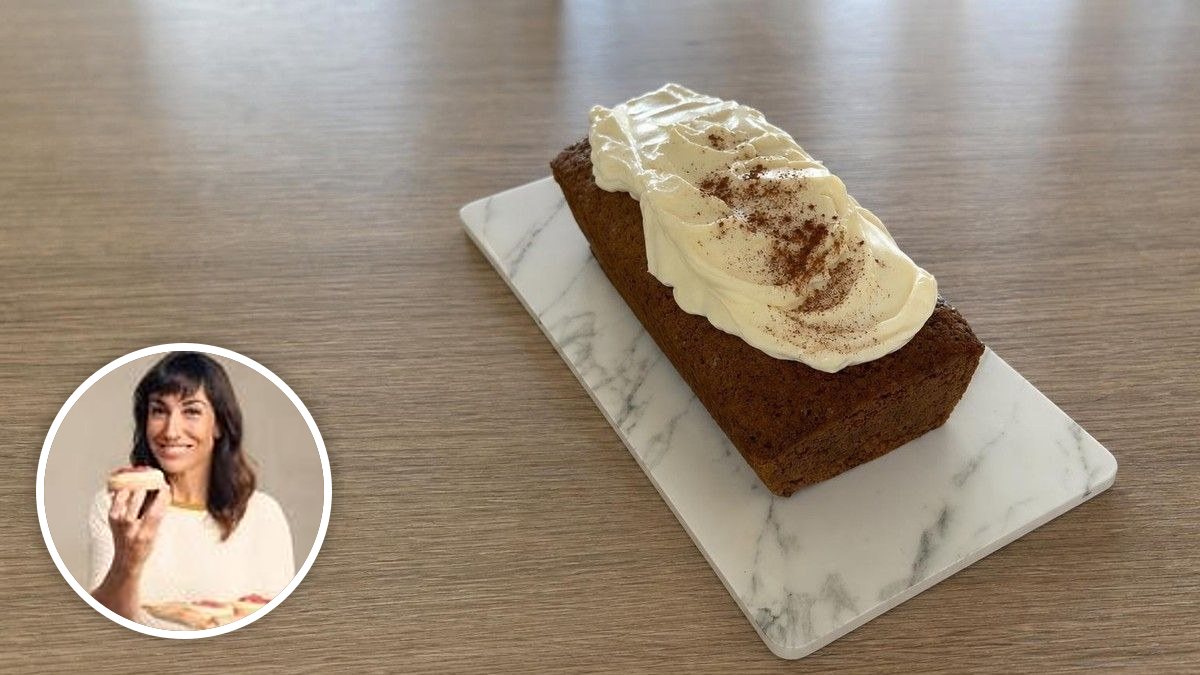 Alma Obregón, pastelera: "Con 200 g de zanahoria, la masa de este bizcocho está lista en cinco minutos"alma_cupcakes
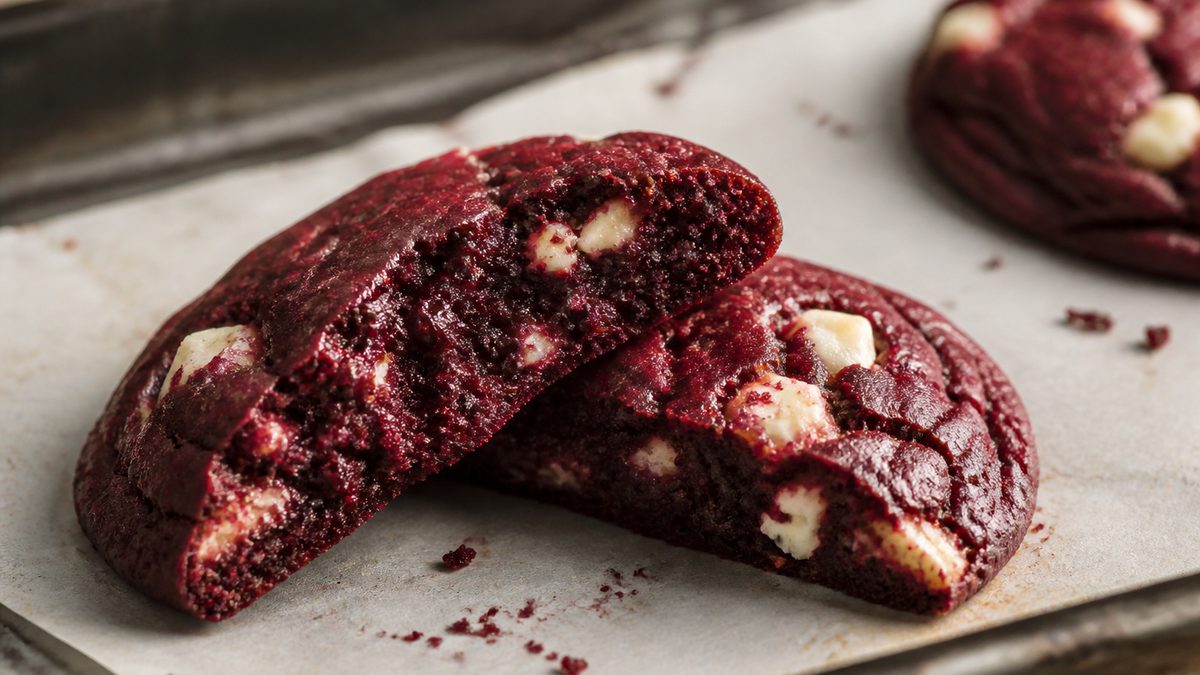 Camila Duckardt, nutricionista: "Refrigera 20 minutos y hornea 13 minutos las cookies de remolacha"nutri.camiladuckardt
 Clara Fuertes, nutricionista: "Mezcla 2 zanahorias, 2 huevos, 100 g de avena y hornea 30 minutos"clara_nutricion