@gronda, cocinero: "Press chicken skin until crisp, smoke it with maple syrup, or render it from a cold pan"
@gronda uses pressing, smoke and slow rendering to turn chicken skin into a crisp, a sweet-savory garnish or flavorful butter.
 Por Redacción HolyCook · October 15, 2026 · @gronda en Instagram
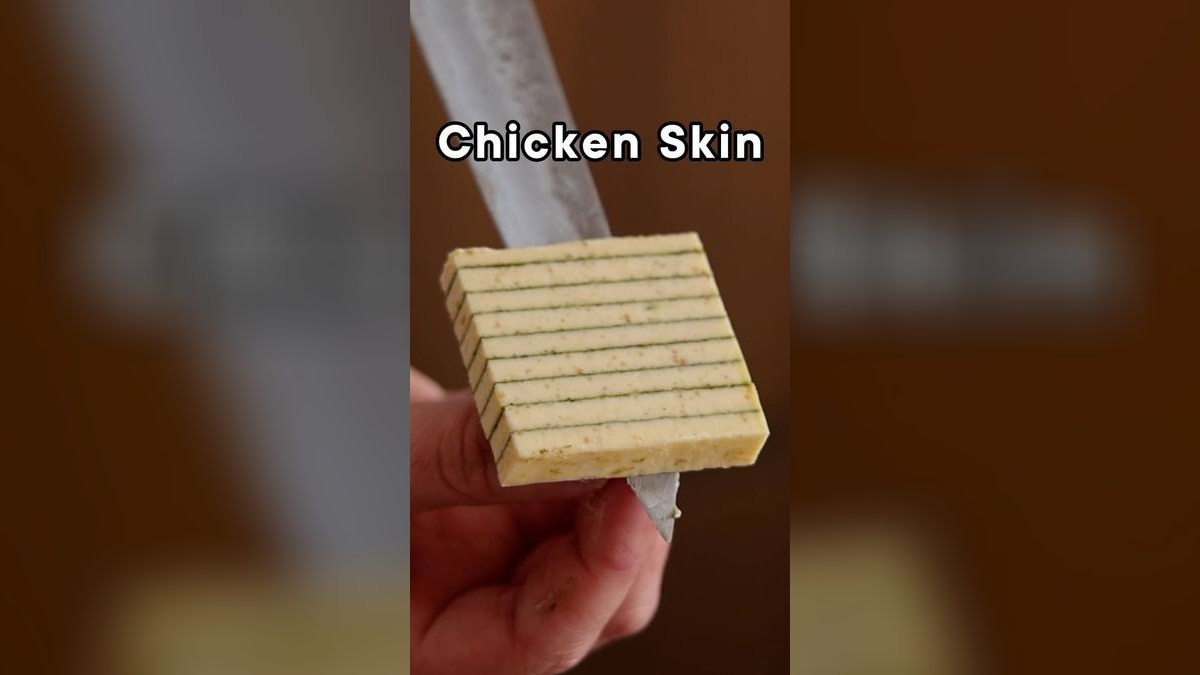
Most cooks discard chicken skin, but the cook @gronda treats it as one ingredient with three very different possible results. On Instagram, @gronda presses it for a light crisp, smokes and caramelizes it with maple syrup for a bolder garnish, or starts it in a cold pan to collect the fat. The result depends on the treatment: crisp, sweet-smoky garnish or rendered fat.
The post, one of the most imported recipes on HolyCook recently with 15 imports, is not a measured recipe with fixed timings or temperatures. It is a useful set of technical routes: choose the finish you want first, then handle the skin accordingly. That makes the idea easy to carry into a chicken main, a garnish-led plate or even a dessert.
Press and slow-cook the skin for a light crisp
For the thinnest, cracker-like outcome, @gronda flattens the chicken skin and presses it down before cooking it slowly in the oven. Pressing is the key gesture here: rather than leaving the skin curled or irregular, you keep it flat as it cooks and aim for a light, crisp finish.
No oven setting or cooking time is given, so use this as a method rather than a strict formula. The same logic can guide other crisp garnishes: flatten the ingredient, hold it in place and cook it gently until it becomes light and brittle. If you are after a more rugged fried-chicken texture instead, try this technique for forming crunchy flour ridges.
Smoke and maple syrup take the skin into dessert territory
@gronda’s second direction is deliberately more assertive. The skin is smoked, then caramelized with maple syrup, becoming a sweet-savory garnish rather than a neutral crisp. @Gronda notes that this combination can work even in desserts, where its smoky, maple-led character can be used as an unexpected finishing element.
This is the version to choose when the skin should bring contrast, not simply crunch. You can apply the same decision-making to other toppings: smoke and sweeten them when the dish needs a pronounced garnish with both savory and sweet notes. For another dessert built around a contrasting finish, see this chocolate and strawberry Bony Cake.
Start with a cold pan to render the fat gradually
The third method begins before the heat is on. @gronda places the chicken skin in a cold pan, then cooks it over low heat so the fat melts out gradually. Starting cold and keeping the heat low is the specific move for extracting the chicken fat. The goal is not an oven crisp or a caramelized topping, but rich rendered fat.
@Gronda suggests taking that fat one step further and turning it into flavored butter for another dish. This gives you a direct way to build chicken flavor into a separate preparation, rather than using the skin only as a final garnish. It could bring extra depth to a chicken dish such as these breast fillets finished in honey, lemon and soy sauce. Choose the route that suits your plate and you will know how to turn one piece of chicken skin into either a light crisp, a sweet-smoky accent or butter with a deeper chicken flavor.
Recetas y noticias relacionadas
 @missmrchili, creador: "Aprieta la harina y sacúdela suavemente para formar estrías crujientes"missmrchili
 Charlito, chef: "Con 500 g de pechuga y 150 g de panko tienes lágrimas crujientes en 15 minutos"charlito_cooks
 @ugar90, creador: "Dora el pollo un par de minutos y añade la marinada a la salsa"ugar90
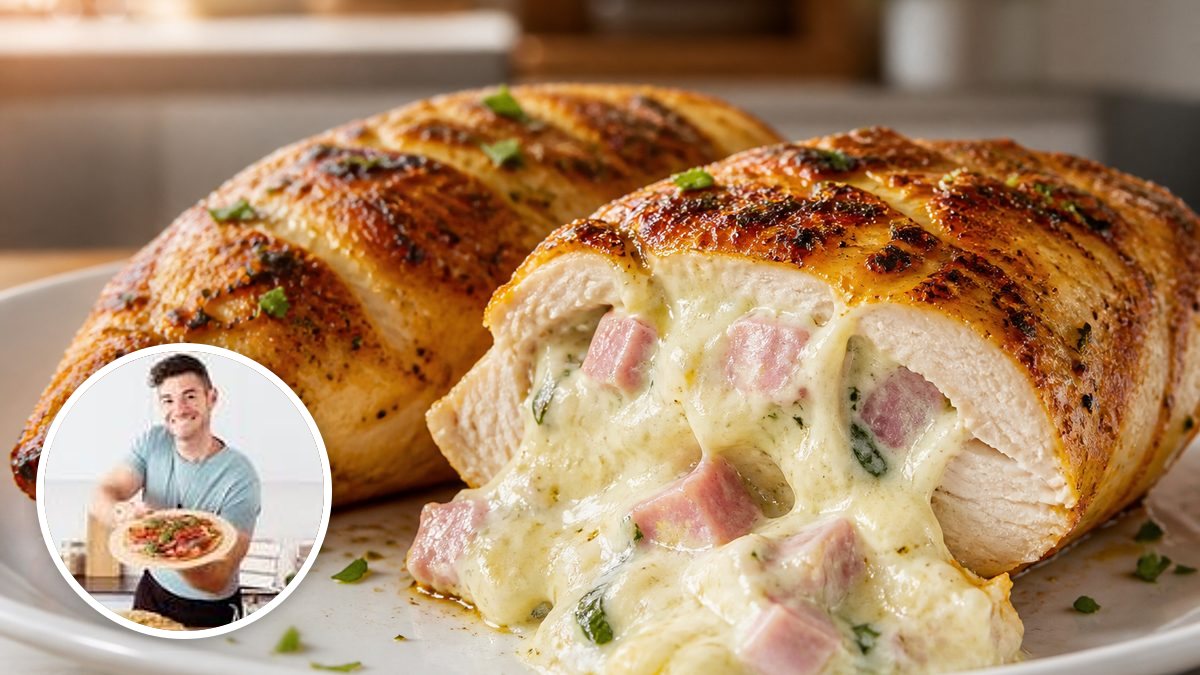 @ugar90, cocinero: "Rellena 2 pechugas con 100 g de queso crema y 70 g de mozzarella"ugar90